

Cross industry request for a phased implementation of the Mixture Allocation Factor (MAF)
EFCC members have expressed many times their concern about the planned introduction of the Mixture Allocation Factor (MAF). Now, in June 2023, we reiterate this concern together with all DUCC member associations and SMEunited. We voice again that even a proposed MAF of 5 will have substantial impacts on the entire chemicals value chain, with serious knock-on effects on EU competitiveness and sustainability-driven innovations and only with very limited contribution to the safer use of chemicals and in most cases no benefits to end-users and society. If the MAF is introduced regardless of the concerns, we ask for its phased, stepwise, implementation and starting with substances with the greatest potential to contribute to unintentional co-exposure.
EFCC supports the joint statement on the draft Taxonomy Environmental Delegated Act
EFCC, as member of the Construction 2050 Alliance, supports the joint statement of its members on the draft Taxonomy Environmental Delegated Act published in April 2023. For the construction sector the recommendations of the draft Environmental Delegated Act show fundamental weaknesses in terms of the usability and practicability . Read more details below:
EFCC reaction to the EC (WSP) report (April 2023) on the Essential Use Concept
EFCC together with other ASMoR members presents its first reaction to the WSP report supporting the European Commission in developing an Essential Use Concept published in April 2023. The study and more specifically Appendix C do not fully reflect established facts nor contributions made by ASMoR and its members during the consultation. We would like to highlight the following: uses of most hazardous chemicals can be safe and, by discarding the possibility of ‘safe uses’ from the impact assessment, WSP is not giving the full picture of the consequences we object to extending the scope of the Essential Use Concept to industrial uses; contrary to what WSP states in the study, the EU’s chemicals strategy for sustainability (CSS) proposed it application to consumer uses and to a certain extent to professional uses ‘safe use’ has not been defined so far and we are willing to contribute to defining it.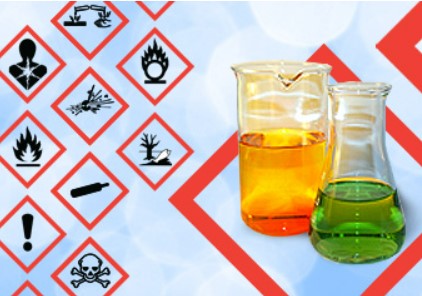
EFCC position on the revision of hazard classification, labelling and packaging of chemicals (CLP)
Today EFCC submitted its position in reply to the public consultation on the European Commission proposal for the revision of EU legislation on hazard classification, labelling and packaging of chemicals (CLP).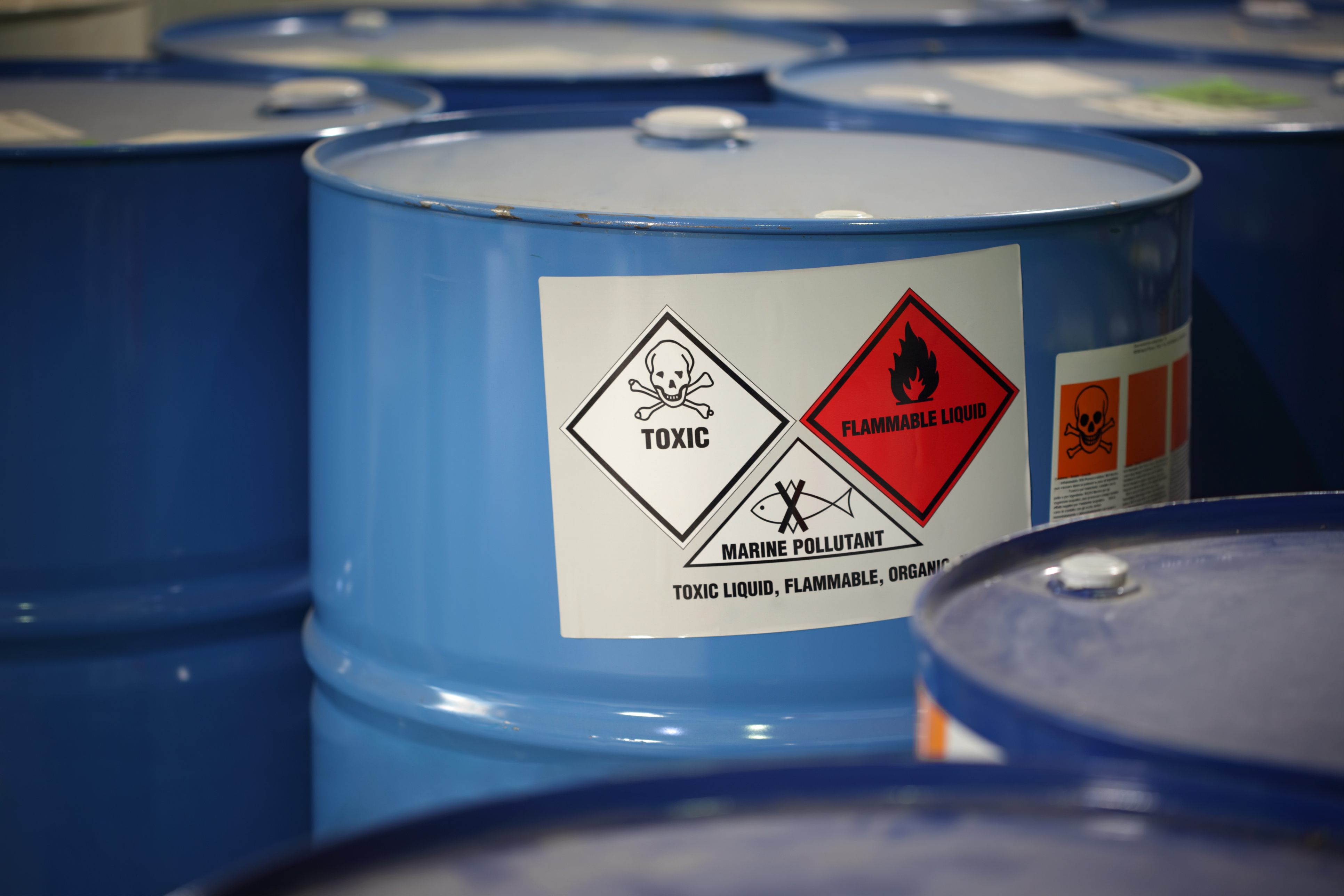
EFCC's joint position with DUCC on the revised CLP
EFCC together with other Downstream Users of Chemicals Coordination Group (DUCC) members formulated its concerns about the new requirements of the revised Regulation on classification, labelling and packaging of chemicals (CLP).
Transition Pathway for a resilient, greener and more digital construction ecosystem
EFCC welcomes the Transition Pathway for a resilient, greener and more digital construction ecosystem launched by the European Commission today in the framework of the 3rd meeting of the High Level Construction Forum. Construction is the second largest industrial ecosystem in the European Union in economic terms and, together with other industrial ecosystems, it must transform its business models and value chains to become the foundation of a green, digital and resilient European economy. The European Commission pointed out that this Transition Pathway has to be considered as a handbook, a vision developed together with all stakeholders, and it can be improved and adapted in the future.